Daily Study Posts
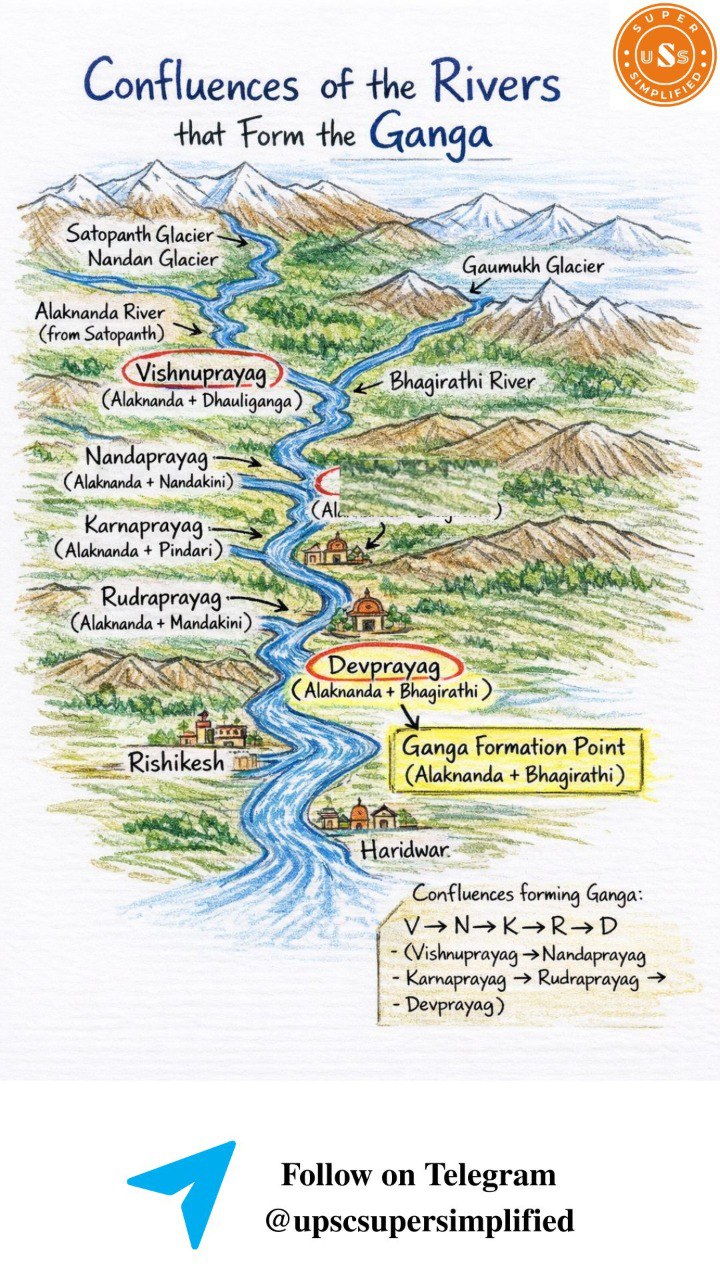
Confluences of the Rivers that from GANGA
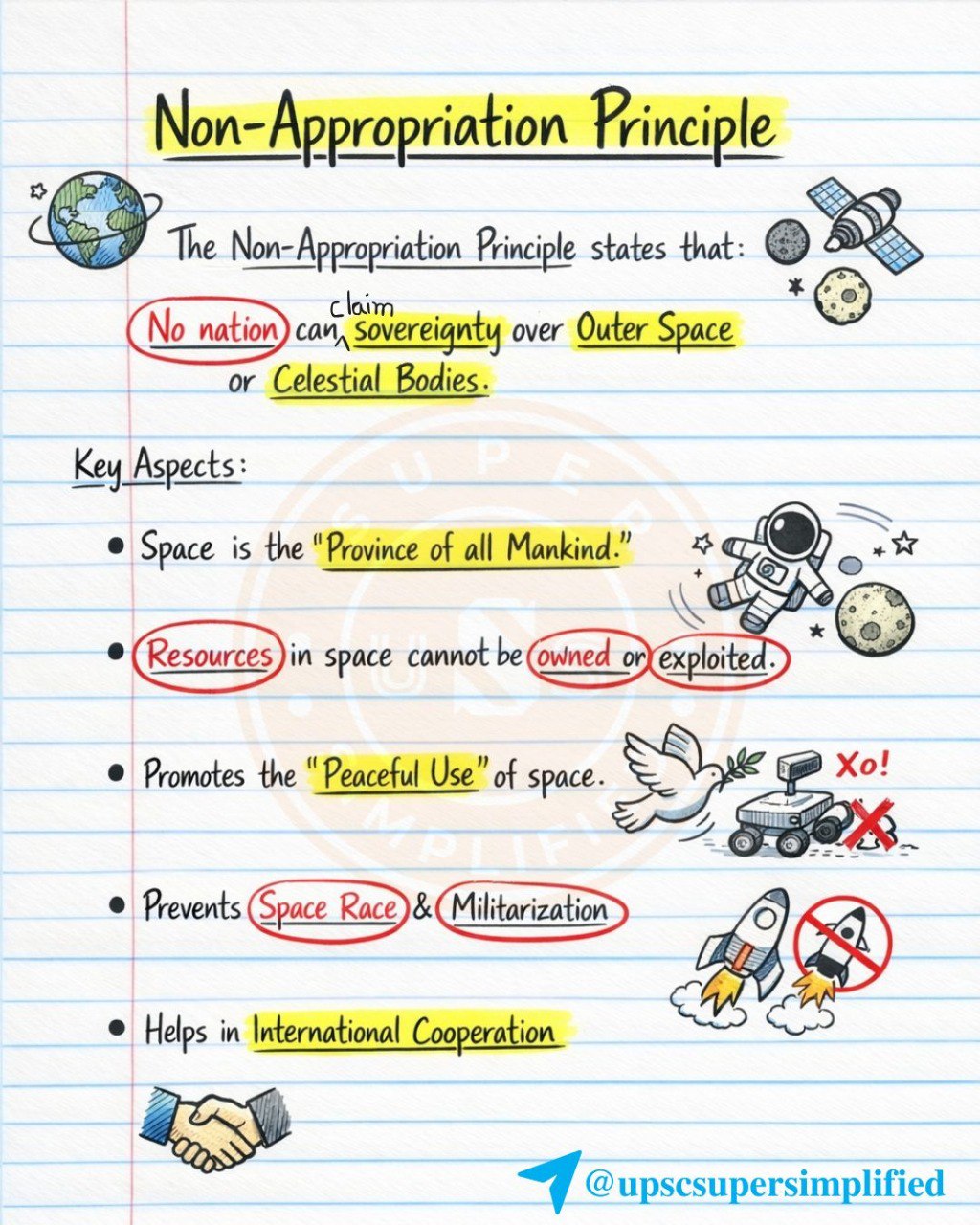
Non-Appropriation Principle
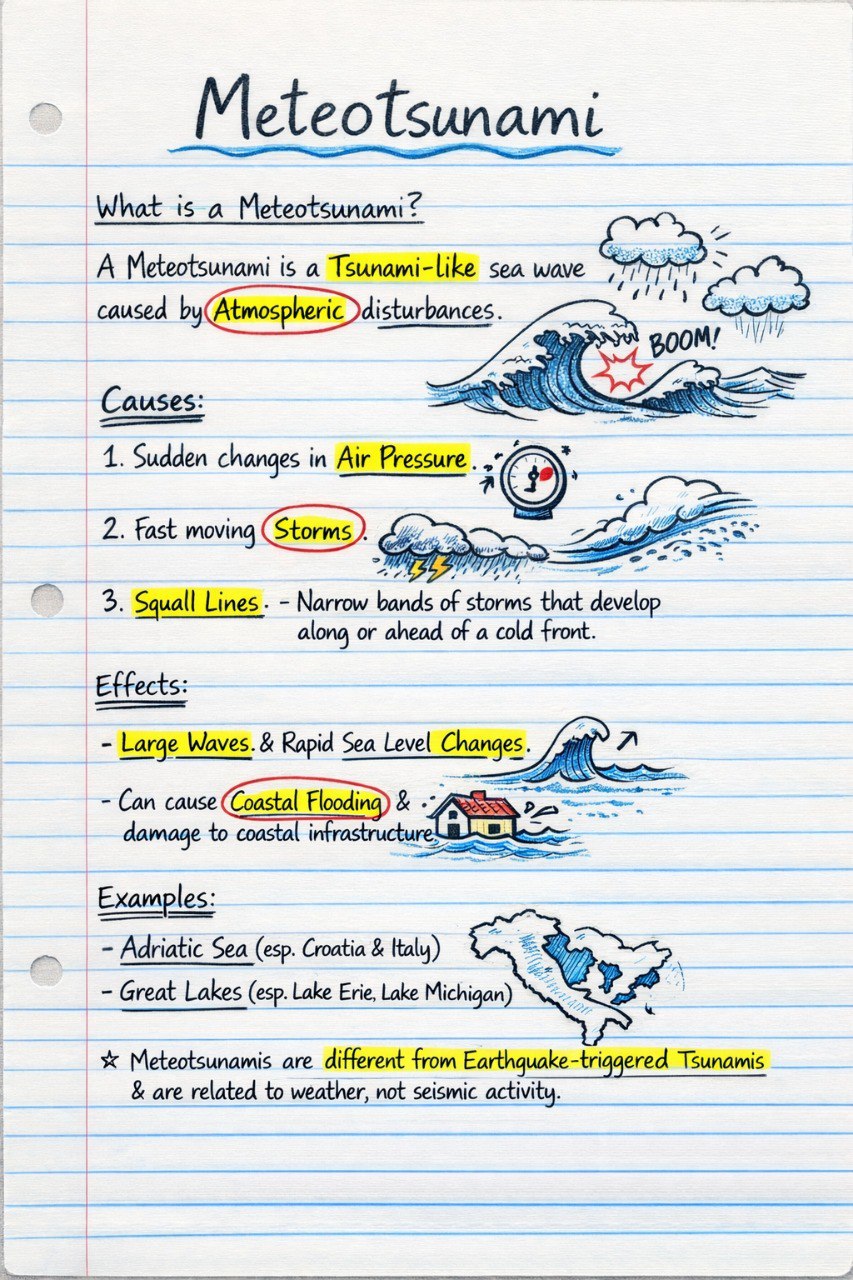
Meteotsunami
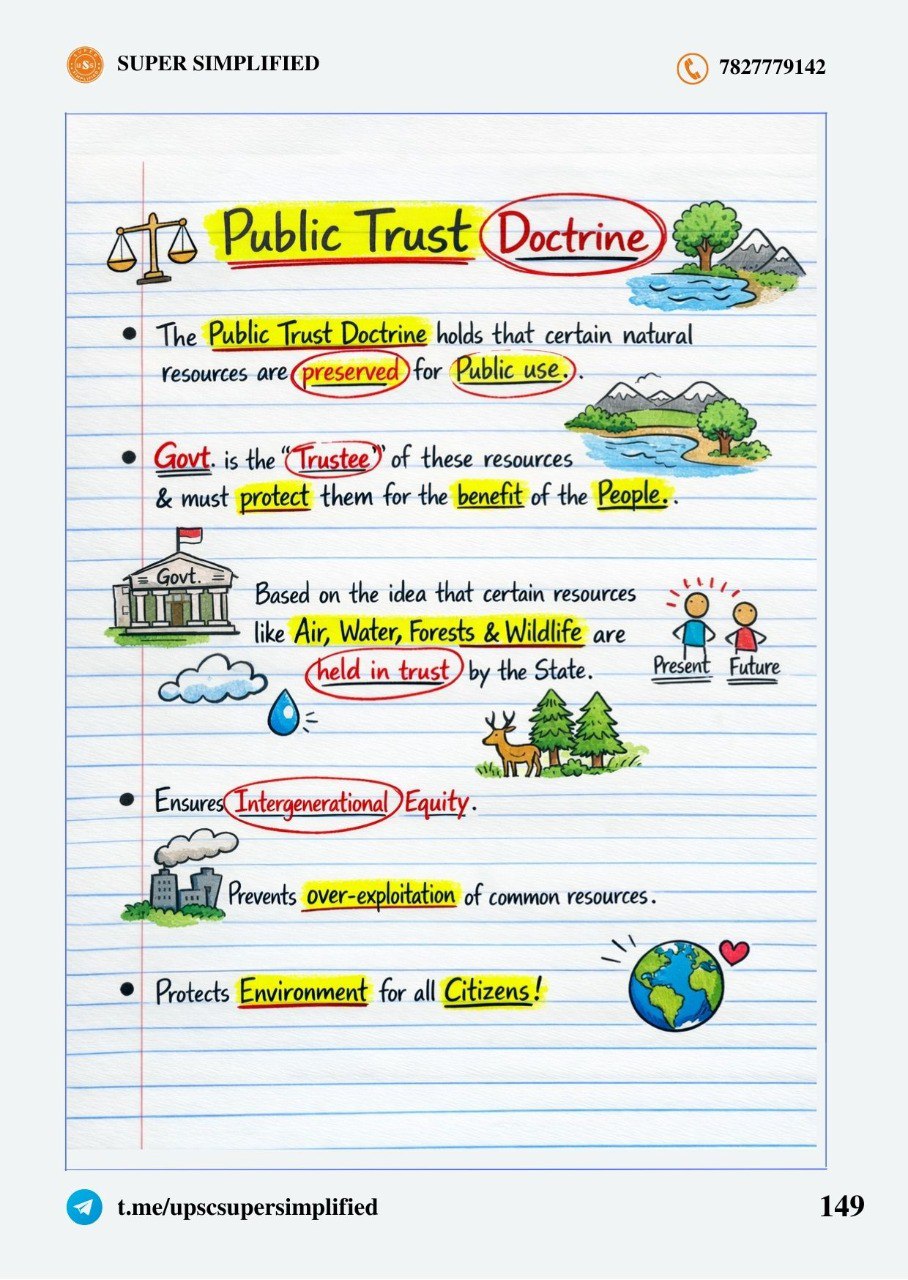
Public Trust Doctrine
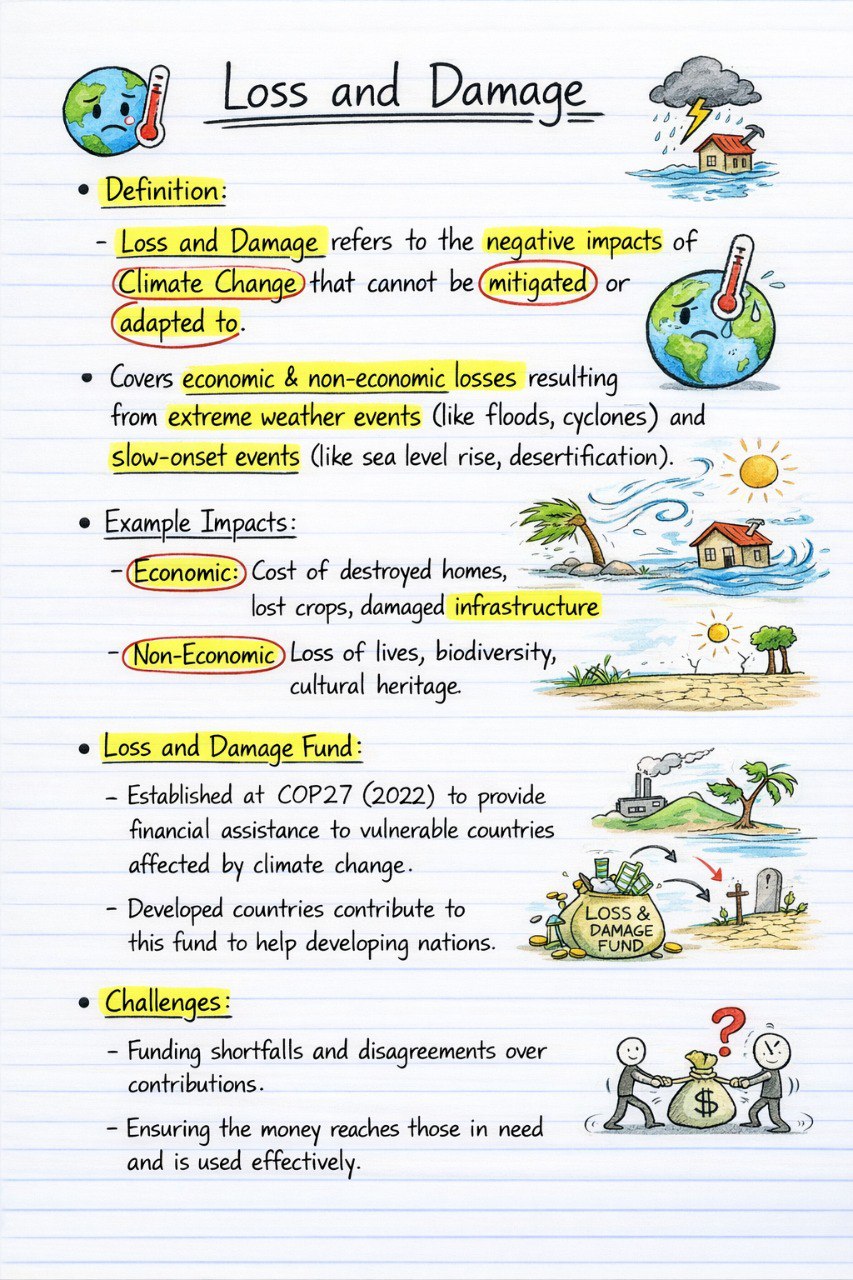
Climate Change - Loss and Damages
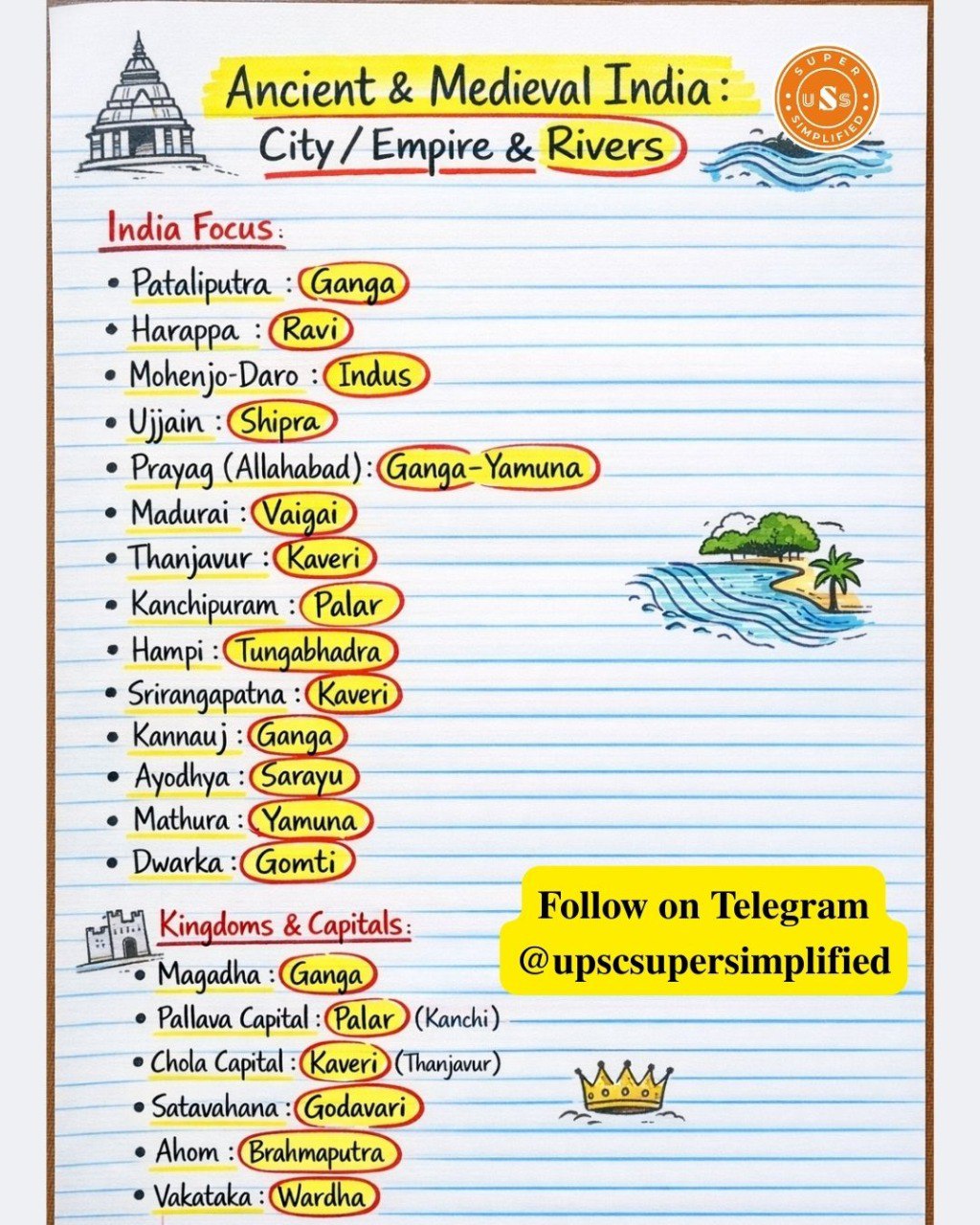
Ancient and Medieval India - City/ Empire and Rivers
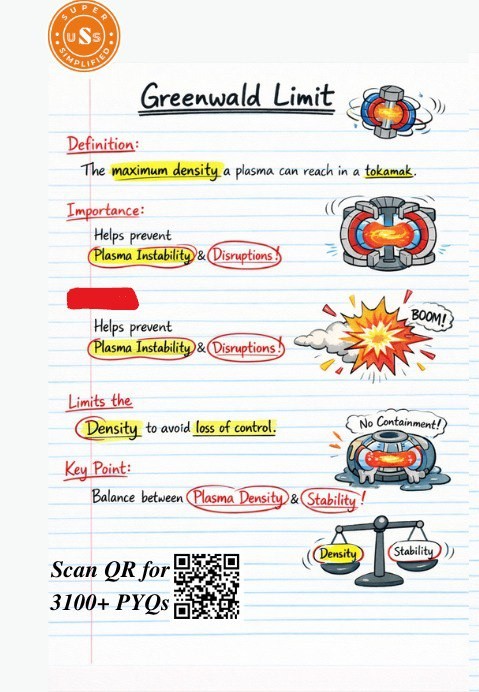
Greenwald Limit
SomaliLand

Article 15

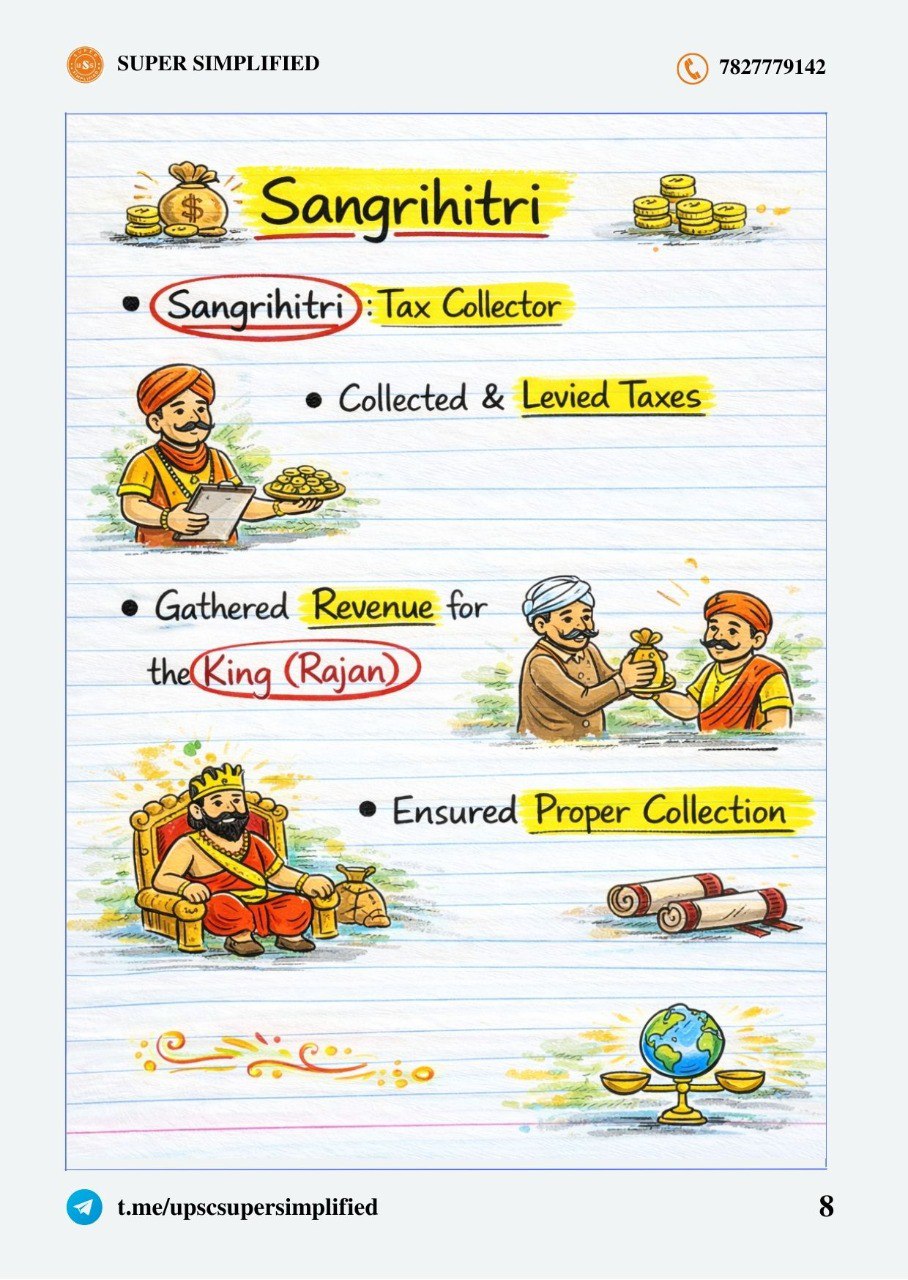
Sangrihitri
Post Mauryan School of Art

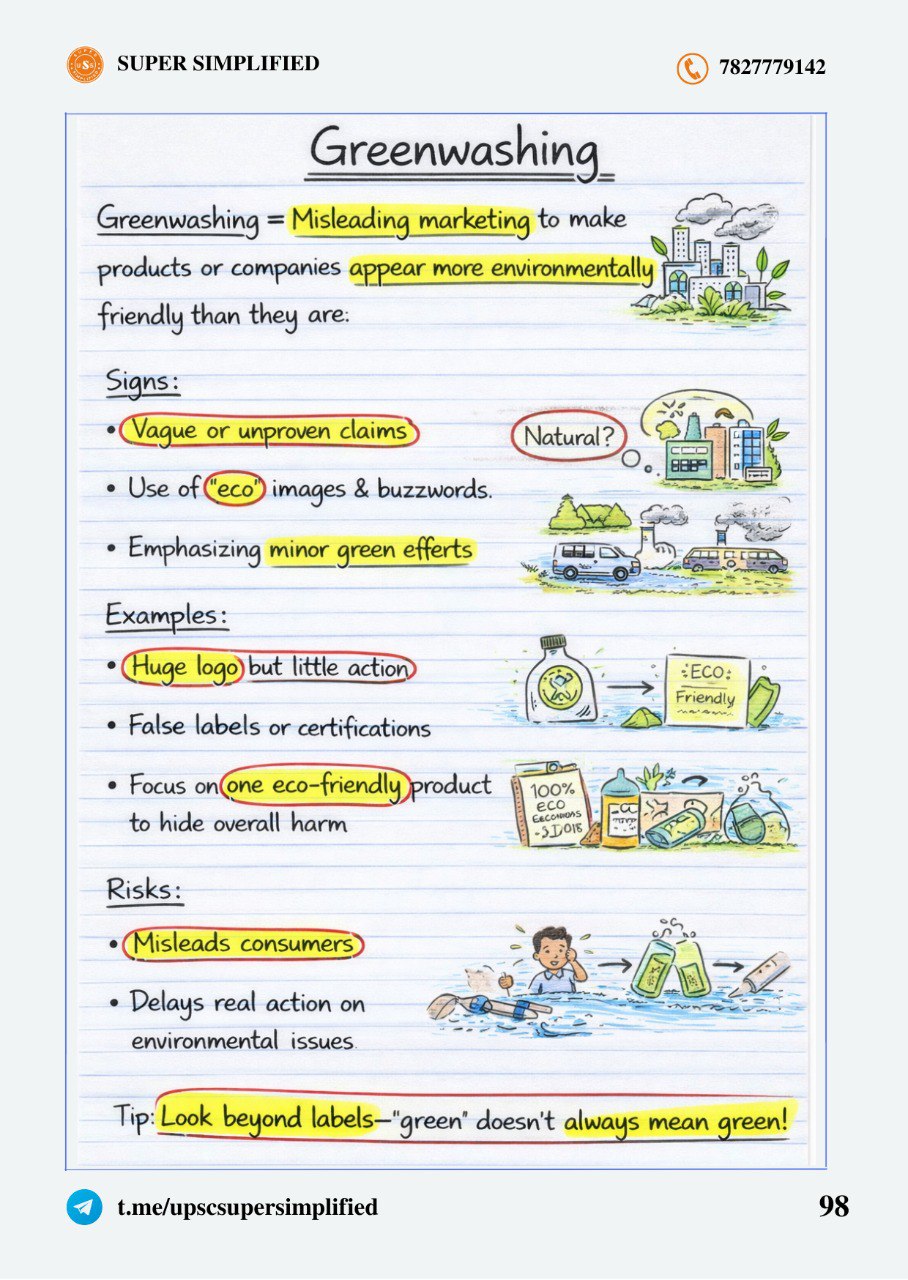
Greenwashing
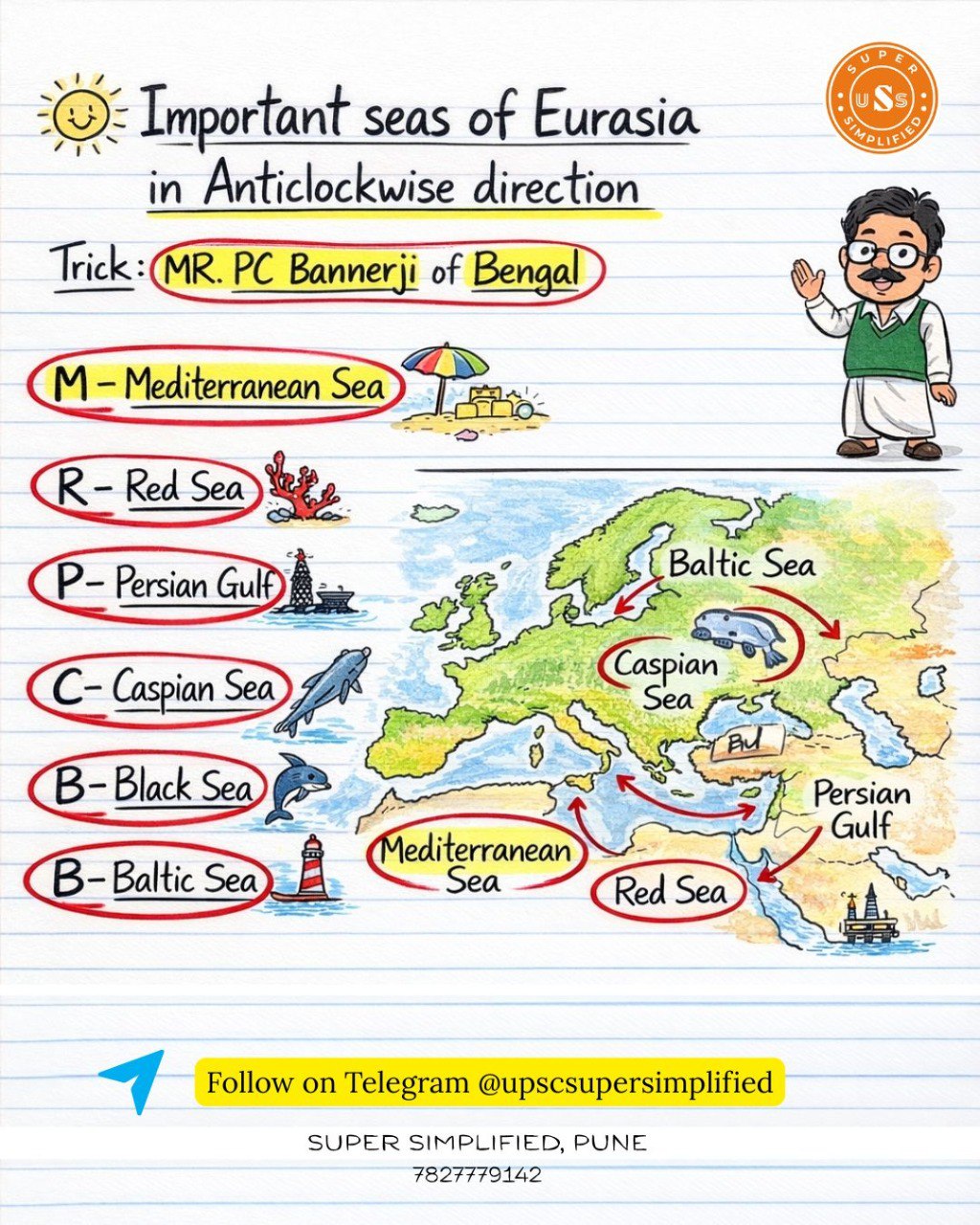
Important seas of Eurasia

UNSCO Intangible Culture Heritage List

Important seas of Eurasia in Anticlockwise direction
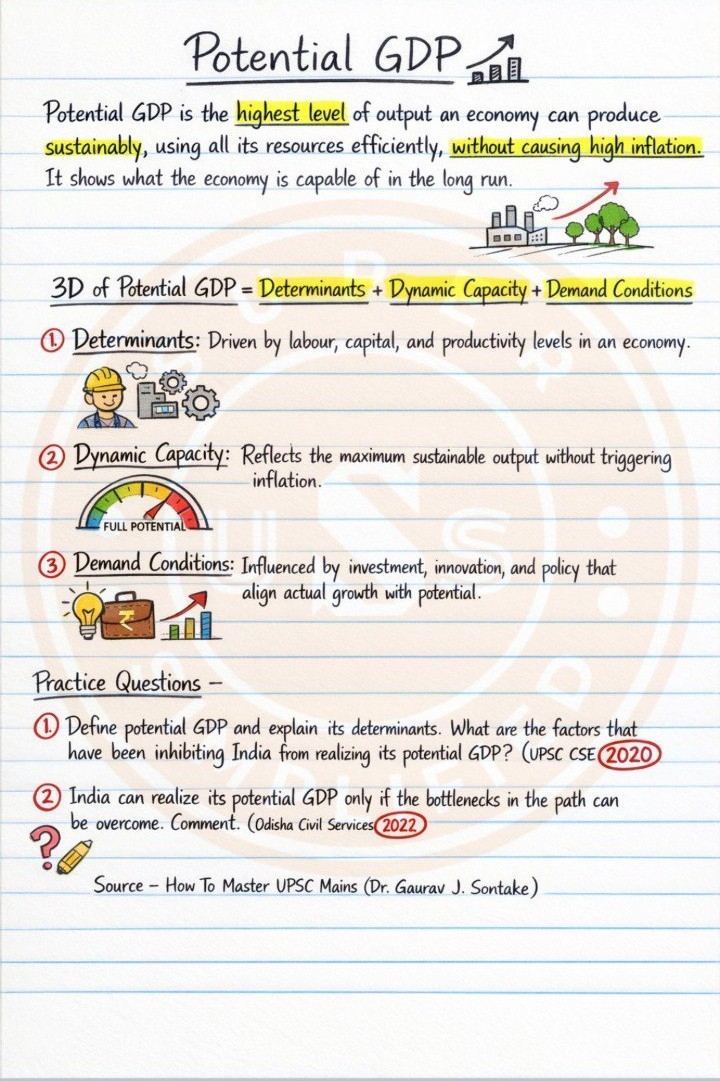
Potential GDP
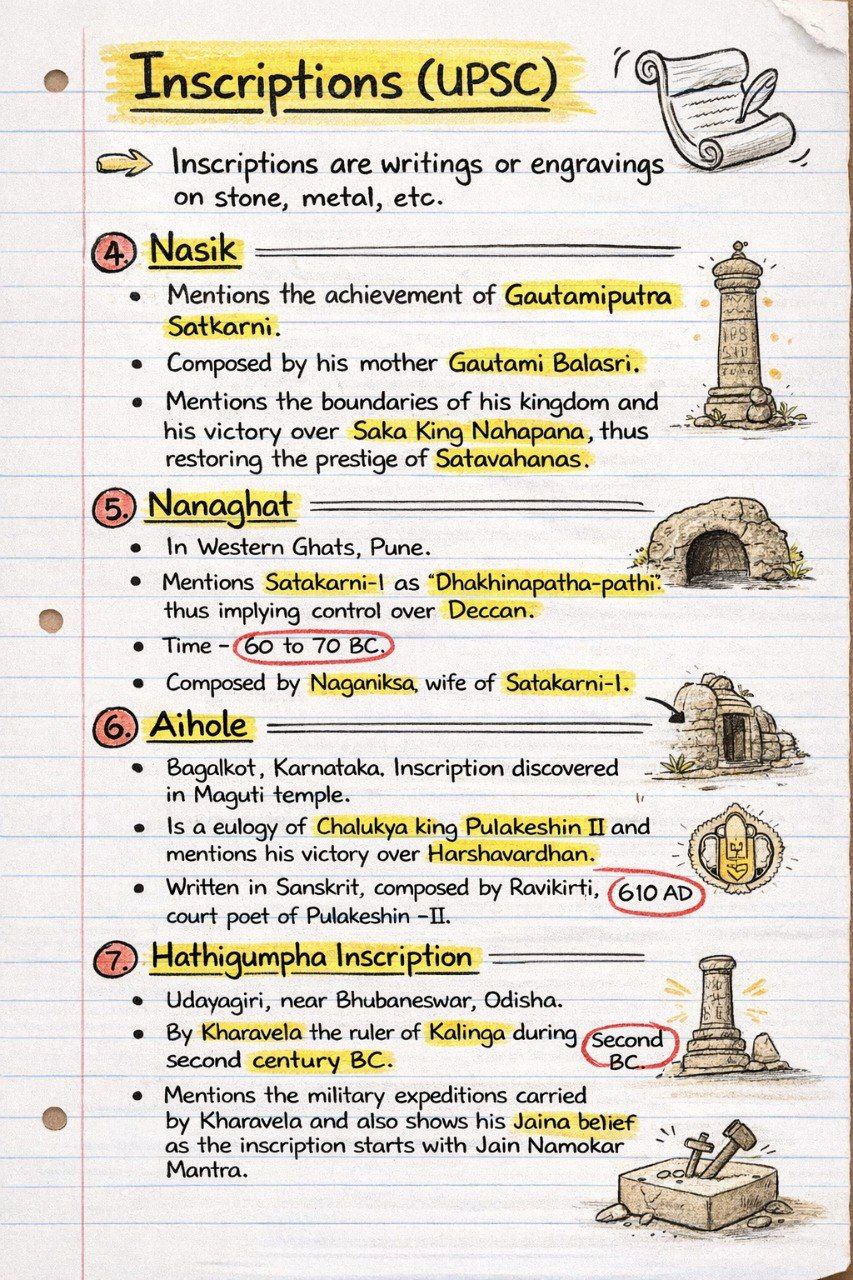
Inscriptions (UPSC)
Contemporaries Of Buddha

Trick to remember 6 countries bordering Ethiopia
Trick - E D S K S S (Every Day Some Kids See Stars)
E - ritrea (north)
D - jibouti (northeast)
S - omalia (east)
K - enya (south)
S - outh Sudan (west)
S - udan (northwest)

Constitutionalism (Limited Government)
One of the most important topics for the UPSC Prelims in Polity: Constitutionalism (Limited Government)
Questions asked in 2020, 2021, 2023
Follow @upscsupersimplified
#UPSCPrelims2026
Countries surrounding JORDAN
Trick to remember countries surrounding JORDAN -
"She Is So Important"
She - S-yria
Is - I-raq
S - S-audi Arabia
I - I-srael
India Post’s DHRUVA Framework
1. What is DHRUVA?
-
Full form: Digital Hub for Reference and Unique Virtual Address.
-
Proposed by the Department of Posts (May 2025).
-
Modeled on Digital Public Infrastructure (DPI) like Aadhaar & UPI.
-
Purpose: Standardisation & sharing of physical addresses through digital “labels,” similar to email IDs.
2. Enabling Law
-
Government released a draft amendment to the Post Office Act, 2023 to operationalise DHRUVA.
3. Connection with DIGIPIN
-
DIGIPIN is a 10-digit alphanumeric geo-coded pin generated from location coordinates.
-
Each 12 sq. metre block in India gets a unique DIGIPIN.
-
Helps overcome issues where descriptive addresses are not available.
4. How DHRUVA Works
DHRUVA creates an address ecosystem with the following components:
a. Address Service Providers (ASPs)
-
Generate proxy addresses or labels (e.g., amit@dhruva).
b. Address Validation Agencies
-
Authenticate addresses.
c. Address Information Agents
-
Manage user consent for sharing addresses with third parties.
d. Governance Entity
-
Similar to NPCI for UPI, will oversee the entire framework.
5. Key Use Cases
a. Consent-based Data Sharing
-
Users can tokenise their addresses (like UPI tokenises bank accounts).
-
Users control who can access their address, when, and for what purpose.
b. Logistics & E-commerce
-
Platforms like Amazon, Uber, and India Post can use “labels” instead of manual addresses.
-
Reduces errors and improves delivery accuracy.
c. Urban Mobility & Migration
-
Users can update addresses digitally, supporting seamless shifting and deliveries when changing residence.
d. Service Discovery
-
Intermediaries can show what services are available at a user’s location, improving public and private service delivery.
6. Benefits as Stated by India Post
-
Effective governance
-
Inclusive service delivery
-
Enhanced user experience
-
Simplifies address sharing for public/private platforms.
7. Concerns Highlighted
Urban Governance
-
Experts say unclear if it will help governance, since:
-
DHRUVA relies on consent-based sharing.
-
If citizens refuse consent, datasets may become incomplete.
-
This may weaken planned urban infrastructure mapping.
-
Privacy Issues
-
System involves collecting personal information → requires robust consent mechanisms.
-
Currently does not include inferred information; this protects consent but limits data richness.
A template for security cooperation in the Indian Ocean

1. What happened recently?
-
India hosted the 7th National Security Advisor (NSA)-level meeting of the Colombo Security Conclave (CSC) on November 20, 2025.
-
Members now include six nations: India, Sri Lanka, Maldives, Mauritius, Bangladesh, and Seychelles.
-
Malaysia attended the summit as a Guest Nation.
2. What is the Colombo Security Conclave (CSC)?
-
Origin: Started in 2011 as a trilateral group (India–Sri Lanka–Maldives).
-
Revival: Revived in 2020 to strengthen cooperation in five key areas:
-
Maritime security
-
Counter-terrorism and radicalisation
-
Combating Trafficking & organised crime
-
Cybersecurity
-
Humanitarian Assistance & Disaster Relief (HADR)
-
-
Expanding Membership:
-
Mauritius became a full member in 2022.
-
Bangladesh joined in 2024.
-
Seychelles joined as the sixth full member at the 2025 summit.
-
3. Why is the CSC important now?
-
The Indian Ocean region is increasingly vital for global trade, economic development, and security.
-
The region's stability directly impacts the livelihoods and development of all member states.
-
The rise in non-traditional maritime threats (piracy, trafficking, climate change effects) necessitates a collective regional security response.
4. Key points from the 2025 summit
a) Expansion and Deepening Cooperation 'Seychelles’ full membership confirms the Conclave's growing influence and stronger regional buy-in. The member states committed to implementing the Founding Documents (signed in 2024) to streamline cooperation.
b) India’s Strategic Engagement - India is pushing for deeper cooperation with its maritime neighbours, driven in part by the need to balance the rising Chinese influence in the Indian Ocean.
c) Institutionalisation There is a clear push to transform the CSC from ad-hoc NSA-level meetings into a stronger, permanent institutional framework, including establishing a Secretariat.
5. Challenges for CSC
a) The China Factor - India views China’s growing presence as a major strategic security concern. * Other CSC countries often view China primarily as a crucial development partner and source of investment. * India must navigate this dynamic carefully to avoid alienating members.
b) Need for Structural Permanence - While steps toward institutionalisation are underway (Secretary-General, Founding Documents), the CSC must establish clear, long-term operational mechanisms to ensure consistent action.
c) Domestic Politics - Political uncertainties and regime changes in member nations (like the recent political transition in Bangladesh) can affect the consistency of engagement and commitment to CSC initiatives.
6. Conclusion
The CSC is rapidly maturing into a critical platform for regional maritime security and cooperation in the Indian Ocean.
The 2025 summit signaled significant progress in expansion and institutionalization. However, the long-term success of the CSC depends on its ability to manage the strategic complexities of Chinese influence, secure stable funding, and overcome internal political inconsistencies.